Rendering of the future senior housing and Filipino Community which received $1 million in funding from the City of Seattle Equitable Development Initiatve. We believe MHA can determine a permanent and adequate funding source for projects like this.
The Seattle City Council has officially started deliberations on the Citywide rezones to implement MHA (read our original blog post here) after more than 6 months of delay due to an appeal to the Environmental Impact Statement, the Council will move forward to adopt the rezones. So, to remind Council with what our demands were for a companion resolution we have resent a letter that has made the full round through Seattle City Council, Mayor Durkan’s office, and other City of Seattle departments. Click here to read the updated letter sent from Puget Sound Sage and our community partners.
By Debolina Banerjee, Katrina Peterson & Howard Greenwich
I-1631 is a game changer for people of color in Washington. The net benefits of investing in clean energy and pollution clean-up will include improved health, thousands of good jobs, lower energy costs, and a boost for local economies.
In a previous article, we broke down the ways that I-1631 will invest in communities most harmed by fossil fuel pollution – places and people that are disproportionately people of color. In a follow-up article, we explored the myriad ways that the fossil fuel industry makes communities of color pay with their health and safety – but also how much we will benefit when dirty fuel corporations end those practices. In this article, we show how the sum of the benefits greatly outweigh any costs. We project that I-1631 will result in:
At least $450 million a year in clean energy and pollution clean-up that meaningfully benefits our communities.
$171 million a year savings in health costs due to reduced vehicle pollution, just in the Puget Sound region.
Economic relief for individual households impacted by pollution-triggered respiratory disease, like asthma and heart conditions.
Long-term benefits to our state economy and our communities that could see a return of up to $30 dollars for every $1 invested.
Creation of at least 8,500 jobs a year that can provide opportunity for people with barriers to employment in green jobs. This number increases each year as investment increases.
$100 million a year for energy rebates and bill assistance for lower-income households.
Less than $9 a month cost to low-income households that don’t take advantage of energy rebates. That’s less than a Netflix subscription.
Lower-income households (making less than $40,000 a year), as a group, would pay less than 24% of the total share of the fee. Higher income households would bear most of the cost because they spend far more on energy, including gas and utilities.
Optimizing Benefits to Our Communities
By design, I-1631 creates both short-term and long-term economic gains for individuals and our communities. Evidence from decades of research on the costs of pollution (and benefits of regulation) shows that society makes big gains when polluters are held accountable.
Investments to Clean Up Pollution and Create Clean Energy
The new carbon fee will create about $1 billion a year in revenue that will be invested in cleaning up Washington’s fossil fuel pollution. At least 45% of the investment will be prioritized for communities that have been harmed the most by pollution or who need inclusion in a clean energy future. This will result in hundreds of millions every year for our communities, including public health, public transit, locally-owned energy, resiliency to weather events, and rebates to people struggling to meet their utility bills.
Health Cost Savings from Reduced Pollution
The Puget Sound Clean Air Agency (PSCAA) found that the clean energy investments from I-1631 could cut the worst of fossil fuel pollution, the tiny chemical particles that go deep into our lungs, by 50% per year in Kitsap, King, Pierce and Snohomish Counties.1 These are the same particles linked to asthma and heart conditions which disproportionately affect communities of color. Using the same cost model as the PSCAA, we estimate that this could result in $171 million a year savings in pollution-caused health costs.2 And that’s just estimating for the four-county area overseen by the PSCAA, and just for reduction of pollution from highways (e.g., no industrial facilities or buildings).
At an individual level, reduction of air pollution can have significant health benefits to households with someone suffering from asthma or heart conditions. Treating asthma cost an average of $3,266 per year in medical expenses, including office visits, medications, and emergency room visits.3 With dramatically fewer fine particles of pollution in the air, families can worry less about asthma triggers for their children and elders.
Long-Term Economic Benefits
Fossil fuel corporations have a dirty little big secret they don’t want to get out - regulations that clean-up pollution comes with enormous benefits compared to the costs. In a comprehensive study, the U.S. Environmental Protection Agency’s estimated that from 1990 to 2020 the Clean Air Act would generate $12 trillion dollars in economic benefits for only $.38 trillion in investment.4 In other words, for every $1 dollar invested, the U.S. would get back $32. With I-1631’s combination of a carbon fee to raise funds and investments in clean air and water, we can imagine an economy with more money to circulate locally among workers, small businesses, and communities.
Good Green Jobs for Our Communities
I-1631 investments will generate thousands of jobs per year in Washington, with provisions to ensure people who need jobs the most have opportunity to start new careers in the green economy. In California, researchers have found that a carbon policy with similar priorities to I-1631 has created 8.5 jobs for every million dollars invested.5 Over half of those jobs have been created in “disadvantaged communities,” similar to I-1631’s health action areas, which prioritize communities harmed the most by pollution.
Using this estimate, we can expect that the investments from I-1631’s Clean Up Pollution Fund to create at least 8,500 jobs per year by 2022 (when the Clean Up Fund reaches $1 billion annually).6 These jobs could be building solar farms, upgrading energy efficiency in homes, operating new public transit, constructing affordable housing near transit, or preventing wild fires. I-1631 also requires that jobs created from the Clean Up Pollution Fund pay good wages and benefits and create a preference for hiring from local communities through Community Workforce Agreements. I-1631 will create green job opportunities for our communities across the state.
Minimizing Costs to Our Communities
The Washington Budget and Policy Center estimates that the cost of I-1631 will amount to $13 per household in Washington State in the year 2020 (this amount will go up marginally every year).7 They calculated this by dividing the total number of projected households in Washington in 2020 (2,969,980) by the total amount carbon fee generated by individual consumption of fossil fuels ($472 million). The Center concludes “That’s a small price to pay for cleaner air, healthier communities, and more efficient energy and transportation infrastructure.”
We agree, but there’s even more to the story about households costs and who will pay the most.
Fact #1: A conservative estimation of costs assumes that the carbon fee will be passed on entirely through higher fuel and utility costs to individuals and their households. However, I-1631 provides fossil fuel companies the opportunity to take responsibility for the harms they create by digging into their own profits – profits which were enlarged by the Trump tax cut by $25 billion dollars.8 To the degree that the fossil fuel companies are truly committed to reducing pollution and climate change, less than the full carbon fee may be passed on to consumers.
Fact #2: I-1631 directs 10.5% of the Clean Up Pollution Fund to energy rebates for lower-income households. Through a combination of bill assistance for utilities and subsidies for energy efficient vehicles or homes, I-1631 relieves lower-income households of rate increases, if any. In 2022, over $100 million in the Clean Up Pollution Fund will be available for this kind of assistance.
Fact #3: Because lower-income households purchase less fuel and energy than higher-income households, they would also pay less for the carbon fee. Even if all carbon fees are passed on to consumers, including vehicle fuel and utilities, the bottom third of households in income (making less than $40,000/year) would pay only $8.80 a month, less than a Netflix subscription or bag of popcorn at the movies.9 If fact, the bottom third of households will contribute about 24% of the total revenue, yet will get back up to 45% of the investments in the form of energy rebates and projects built to benefit their communities.
Despite these facts, I-1631 opponents will have us believe is the same old, tired story: that our interest as consumers is aligned with their interests as corporations, e.g., what’s good for big oil is good for Washington. In fact, their profits literally depend on pushing the hidden costs of dirty fuel onto everyone else. Corporate polluters have minted a fortune damaging our air and water, passing along costs and consequences to the working people of our state. It’s no wonder that oil giants BP, Phillips 66, and Marathon Oil have poured more than $25 million into opposing I-631.
In truth, we all have far more to gain together as consumers, communities, and citizens from a carbon fee. In particular, the net benefits for lower-income households and people of color far outweigh potential costs.
By joining together, from Eastern Washington to our coast, we can demand safe, clean, locally-made energy, generate resources to support people struggling to make ends meet, and ensure our well-being for generations to come. When we vote for I-1631, acting responsibly for our people, air and water, we’re truly all better off together, no matter what dirty fuel lobbyists say to scare and distract us from the harms they've created.
1. Puget Sound Clean Air Agency, Neutral Factual Analysis of Initiative Measure No. 1631: Potential Air Quality Impact in the Puget Sound Region, October 2018. Accesses on 10/18/18 at http://www.pscleanair.org/DocumentCenter/View/3497/I-1631_NeutralAnalysis. 2. Following the PSCAA method, we used the EPA’s COBRA health impacts model (version 3.2.1), with 2025 as the analysis year, and using 7% discount rate for King, Kitsap, Pierce, and Snohomish counties. The model can be found at https://www.epa.gov/statelocalenergy/co-benefits-risk-assessment-cobra-health-impacts-screening-and-mapping-tool. 3. Nurmagambetov T., Kuwahara R., and Garbe P. “The Economic Burden of Asthma in the United States, 2008–2013,” Annals of the American Thoracic Society, 2017. Accessed on 10/18/18 at https://www.atsjournals.org/doi/pdf/10.1513/AnnalsATS.201703-259OC. 4. U.S. Environmental Protection Agency: Final Report – Rev. A, The Benefits and Costs of the Clean Air Act from 1990 to 2020, April 2011. Accessed on 10/18/2018 at https://www.epa.gov/sites/production/files/2015-07/documents/fullreport_rev_a.pdf. 5. J.R. DeShazo, Jason Karpman, Weilong (David) Kong, and Colleen Callahan, Employment Benefits from California Climate Investments and Co-investments, UCLA Luskin Center of Public Affairs, 2018. Accessed on 10/18/18 at http://innovation.luskin.ucla.edu/sites/default/files/Employment%20Benefits%20from%20California%20Climate%20Investments%20and%20Co-investments%20-%20Low%20Res_0.pdf. 6. We applied the 8.5 jobs per million from the study above to the $1 billion amount in revenue for 2022. 7. Nichols, Andy, “I-1631 invests in what matters,” Washington State Budget and Policy Center, Oct 2018. Accessed on 10/23/18 at https://budgetandpolicy.org/schmudget/i-1631-invests-in-what-matters. 8. Antonia Juhasz, “Inside the Tax Bill’s $25 Billion Oil Company Bonanza,” Pacific Standard Magazine, March 27, 2018. Accessed on 10/18/18 at https://psmag.com/economics/tax-bill-oil-company-bonanza. 9. To estimate the share of carbon fee for individual households by income, we used the US Bureau of Labor Statistics’ Consumer Expenditure Survey (CES), 2016-2017, for the western region of the U.S. Specifically, CES Table 3133 provides average annual expenditures by income bands, including breakouts for gas, oil, natural gas and electricity. For households in the bottom 1/3rd of income, we averaged together all income bands below $40,000/yr, then calculated their share of energy expenditures relative to all households. We then applied that ratio to the estimate provided by the WA Budget and Policy Center (see footnote 6). The CES can be found here: https://www.bls.gov/cex/.
By Debolina Banerjee, Katrina Peterson & Howard Greenwich
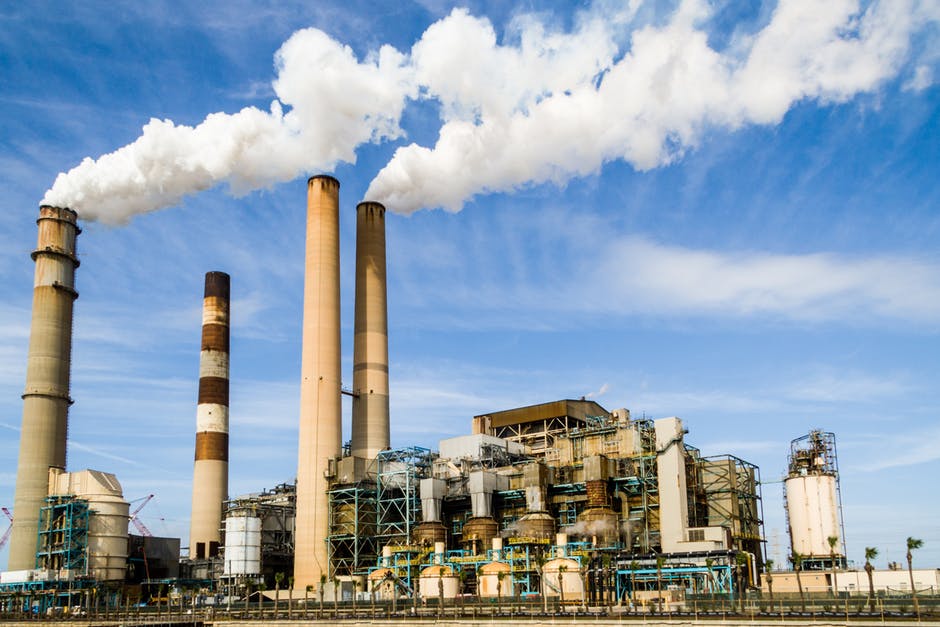
The hidden costs of the fossil fuel industry in the U.S. and around the world are staggering - and more so for people of color. While we associate fossil fuel costs with our utility bills and a tank full of gas, we also pay for fossil fuels with our health, our safety, our democracy, and our children’s right to a clean and healthy future. Study after study shows that these costs disproportionately fall upon people of color and low-income communities. I-1631 is our opportunity to hold the fossil fuel industry accountable for these hidden costs.
Costs to public health and our environment often make the news, but other costs are particularly hidden from view. With a history of funding violence in Africa, dodging costly clean-up of toxic spills in Central America, and exacerbating poverty in Africa and South America, the fossil fuel industry extracts from and further impoverishes the Global South without regard for the cost to human life and environmental health. This strategy is paralleled by a massive misinformation campaign in the United States to control the narrative about climate change, denying scientific proof of human-caused climate change and corroding citizen belief that climate change is real and that fossil fuel use contributes to climate change, a reality which will radically transform life on Earth as we know it. The fossil fuel industry employs these strategies to maintain control of the energy sector, benefit from generous subsidies from the US government, and generate enormous profits.
When we add up the total cost of fossil fuel production and use, a pattern of harm emerges to people of color throughout the globe. I-1631 gives us the opportunity to stop paying with our health, our lives, our humanity, and our children’s futures. By reducing our dependence on fossil fuels, transitioning us to cleaner forms of energy, and cleaning up pollution, I-1631 is the first practical step towards cleaning our air and water, increasing community resilience, and leaving a healthy planet for all children.
The true cost of fossil fuel use is far greater when we include the price we pay in health, safety, and the environment.
Use of fossil fuels for energy comes at a much higher economic cost than just what we pay for gas and electricity. It creates pervasive environmental degradation, air pollution, toxic emissions from industries, and increasing extreme weather events like wildfires, hurricanes, and floods that can be directly attributed to the rising temperature of the earth.1 For example, coal burning for electricity produces a legion of health and ecological impacts that is borne by the general public. A full accounting of the damage caused by the mining, production, transportation, burning, and waste disposal required for coal-based electricity doubles or triples the costs we pay in our gas and electric bills.2
Looking at all sources, The National Academy of Sciences estimates that the hidden costs of damages from energy production and use in the U.S. exceeds $120 billion a year, not including climate change and ecological impacts.3 Topping the list are coal-fired plants ($62 billion) and natural gas plants ($740 million), followed closely by highway vehicles ($56 billion in health and other non-climate damages). Another study shows that between 2002 and 2011, the social, environmental and health damage costs from emissions associated with electric power generation, oil and gas extraction, coal mining, and oil refineries associated was $131 billion dollars.
From another angle, we also see the damage costs from fossil fuels drop with better and stronger environmental regulations.4 Assigning monetary value to health and environmental burdens and damage from electricity generation, scientists concluded that the external costs from fossil fuels are significantly higher for fossil fuels than for renewable sources.5
Photo by Frans Van Heerden
The fossil fuel industry has funded violence, exacerbated poverty, and shortened lives throughout the Global South6 (broadly the low-income and marginalized regions of the world).
In the last twenty years, the environmental justice movement has begun to draw direct connections between welfare of communities of color in the U.S. and post-colonial nations where transnational oil and gas corporations (TNCs) continue to extract energy resources. TNCs have been found to perpetuate a lethal combination of destruction, harm, and crime in Africa and Central and South America in pursuit of resources. In oil-rich countries specifically, (TNCs) have acted like rogue paramilitary agencies, infiltrating and destabilizing these countries.
In Africa, oil exploration and resulting conflicts in Sudan7 and Nigeria8 have led to decades of poverty, malnourishment, and an acute health and existential crisis in these countries. Author Adrian Parr argues in her book ‘the Wrath of Capital’, that the root cause of the Sudanese civil war was inequitable distribution of the costs and benefits of oil production. The extraction of oil forced indigenous communities, who depended on the land for their livelihood, out of their own lands.9 The war resulted in acute poverty, approximately 2 million deaths, the displacement of 4 million people, and 420,000 refugees.10
In Nigeria, a country where oil and gas account for over 80% of the nation’s wealth, oil extraction and related exploitation is widespread, aided by state policies that strip indigenous people of their rights to these natural resources.11 Oil operations have devastated farming communities, depriving them of their land, livelihood, and health. They did not receive an appropriate compensation for this scale of devastation, but instead were (and continue to be) subject to the effects of oil on their lands. Their protests were quashed by mercenaries which are funded and operated by the oil and gas transnational companies.12
Finally, the Western Amazon regions - some of the most biodiverse in the world - and the indigenous tribes who call them home, have been exploited by fossil fuel extraction. In Peru, oil companies utilized a loophole in a law meant to protect isolated indigenous tribes to extract oil from territories in which these tribes have lived for centuries. This exploitation has profoundly and permanently threatened their way of life and health.13 In Ecuador, communities have been fighting a long legal battle with Texaco (since acquired by Chevron) which dumped about 2 billion gallons of crude oil waste over 28 years. Ecuador’s communities have borne the brunt of this toxic waste for decades and charge that14 that Chevron has evaded accountability using their financial and legal power.15
The fossil fuel industry has left low income communities and communities of color in the United States and abroad with toxic water, air, and soil, disproportionately impacting their long-term health and wealth.
Whether in the US or across the world, the fossil fuel industry has abandoned communities of color during and after extraction, assuming no responsibility for the impacts their operations and fossil fuel emissions cause. These communities are left with the burden of cleaning up and living amidst toxic soil, air, and water; the toxic pollution traps them in the vicious cycle of poverty and loss of health.
As described above, communities in Ecuador have been fighting to hold Chevron accountable for oil spills and clean up on their indigenous lands.16 17 Locally, communities in Pasco, WA bore the costs of cleanup after gasoline leaked from a pipeline connected to Chevron and contaminated their groundwater.18 In this case, the common thread of harm is Chevron and its associated operations, but the same narrative cuts across all of the TNCs.
In the US, scientists have proved that major fossil fuel companies like ExxonMobil, BP, Royal Dutch Shell, ConocoPhillips, Peabody Energy, CONSOL Energy, and Arch Coal are substantial contributors to the total historical emissions driving disruptive climate change.19 They are also responsible for undermining the health of people of color extensively in the U.S. For example, in Washington, people of color and low-income people are disproportionately exposed to fossil fuel pollution.20 Similarly, in California, major greenhouse gas and particulate matter emitting facilities are located in communities of color. 21 This disproportionate exposure to air pollution exacerbates the pre-existing health conditions and poverty in these neighborhoods. In Seattle, Georgetown and South Park neighborhoods have historically born this burden. These neighborhoods have some of the worst measures of air pollution, exposure to contaminated sites, and lack of access to healthy built environment. Residents have an average life expectancy of 8 years lower than the Seattle average.22
Air pollution, one of the major outcomes of fossil fuel use (especially transportation emissions23) and industrial energy use, is a major contributor to asthma and respiratory disease. But the burden of asthma and other respiratory diseases are disproportionately high for people of color, especially for people with preexisting respiratory diseases. According to 2014 and 2015 data24 from the US Department of Health and Human Services, African American women were 20% more likely to have asthma than whites. In 2015, African American children were “10 times more likely” to die from asthma related causes than the white population; African American adults were almost “3 times more likely” to die.
In Washington state, medical researchers estimate that at least 1/3rd of all Washingtonians have a medical condition exacerbated by vehicular air pollution. In 2009, Washington State Department of Ecology estimated that each year around 5,700 WA residents suffer premature deaths, non-fatal heart attacks, acute bronchitis and asthma due to fossil fuel air pollution.25 In 2010, data revealed that Washington state hospitals charged $73 million for asthma-related hospitalizations. $4.8 of this $73 million was charged to patients themselves. In the same year, work-related asthma cost Washington state approximately $300,000.26
But, severe health inequity based on race and class exists here as well.27 In Washington State, whites have longer life expectancies than all other races: Hispanic adults have a shorter life-expectancy than whites by 12 years, Blacks by 10 years, and Asian/Pacific Islanders by 3 years.28 American Indian/Alaskan Natives and African Americans have a significantly higher prevalence of asthma as well as death rates (about 75 per year) from asthma than non-Hispanic whites, especially for urban areas.29 In 2010, Washington State lost 4.3 million person-days of productivity as 22% of working adults missed work due to asthma. For a working member in a low-income family, missing work could mean losing earnings, especially if the person gets paid on a daily or hourly basis. This is extremely hard for such families.30 31 32 The American Lung Association data for 2017 found Washington State counties to score very poorly on health outcomes due to pollution from fossil fuels, with Yakima, Snohomish, Pierce, and Clark counties scoring the poorest grades.33
In Southern California, multiple studies have revealed the inequity and injustice of urban air pollution not only to adults and children but also on fetuses. In a recent study, researchers found that the mean particulate matter (pollutant) exposure from diesel trucks was 38% higher for minorities than for whites, leading to an approximate 14 days of life lost per individual, collectively around 370,000 years of lost life expectancy in total for the 9.8 million minority individuals in the study area.34 Another research group recently concluded that when pregnant women are exposed to particulate pollutants, the thyroid gland of the unborn fetus is highly affected and after birth, the baby is susceptible to developing chronic thyroid problems.35 If a pregnant woman sustains long hours of pollution exposure, as in the case of neighborhoods with high pollution exposure, her baby is highly likely to be born with pre-existing health conditions.
The correlation between environmental exposures, proximity to waste landfills, likelihood of contamination and serious diseases, has been well established.36 For neighborhoods already stressed with toxic soil and poor health and economic outcomes, any exposure to fossil fuel pollution exacerbates the condition.
Photo by Chris LeBoutillier
People of color, low-income people, and fossil fuel workers are disproportionately impacted by fossil fuel spills, explosions, and industrial accidents.
Whether due to geographic proximity or employment in the fossil fuel industry, communities of color and low-income communities experience the highest rates of fossil fuel-related accidents, often left without support to deal with the aftermath. Globally, some of the largest spills have occurred in offshore drilling sites and transport of oil.37 This puts the lives of fossil fuel workers on those drilling sites, the drivers of the vehicles transporting oil, as well as the residents on sites where the incident occurs, at great risk. Some of the best examples are the 2010 Deepwater Horizon drilling rig explosion where 11 workers lost their lives,38 and the 2016 incident in Columbia River, OR where the derailment of an oil train resulted in oil spills and explosion.39 Until the situation was contained, the incident threatened the 430 residents of the town of Mosier, OR and the local flora and fauna.
In the United States, low-income communities of color are the most likely to be located near industrial and contaminated sites. As a result, they are disproportionately impacted by the operation of these sites, and are at most risk in the event of an industrial incident. Owing to their lower income, these communities also have lower political power to resist environmental externalities.40 In California, facilities causing emissions were found to be disproportionately located near or in people of color neighborhoods.41 42 Similarly, researchers in Florida found that race, ethnicity, and other socio-economic indicators are significant predictors of Superfund site locations, where majority of residents are Black and Brown low-income working-class people.43 Scientists have also proved that such proximity to industrial facilities, landfills, or other contaminated sites run the high risk of further contamination should an incident occur.
Workers of color and blue-collar workers also experience higher rates of occupational injuries and diseases, primarily in mining, steel, chemical, and other industries.44 According to the Bureau of Safety and Environmental Enforcement, in 2017, there were 429 reported incidents45 in offshore drilling sites, including fires, explosions, fatalities, spills, and collisions. The Bureau of Labor Statistics estimated the total percentage of fatally injured workers in oil and gas extraction industries to be 71% of the total fatal work injuries in mining, quarrying, oil and gas. The rate was disproportionately high, around 48%, for contract workers employed in the construction and extraction sectors.46 The high risk that refinery workers face was highlighted most recently after 15 workers were killed in an explosion in a BP refinery facility in Texas. The explosion injured 180 others and resulted in a total loss of more than $1.5 billion. After an investigation and follow-up studies on the safety of 71 refineries in the US, researchers found that “there remains an alarming potential for future disasters” and that "refineries are not sufficiently prepared for emergencies”.47
Washington State workers and communities have not been immune to this phenomenon. In 2010, an explosion in Tesoro’s refinery in Anacortes killed 7 workers.48 49 Chevron and its related operations are responsible for multiple leaks in central and eastern Washington, where pipelines have leaked oil into local aquifers, contaminating groundwater.50 51 Similarly, BP has regularly spilled and dumped oil in Cherry Point, WA, with no accountability (sometimes not even reporting the spills), risking workers and residents and leaving them with the burden of cleanup and health costs.52
Fossil fuel companies have funded misinformation campaigns in order to control the narrative about climate change, ensure continued political support for and subsidization of fossil fuel production, and thereby continued profits.
Fossil fuel and energy companies like ExxonMobil, ConocoPhillips, Valero Energy, Tesoro, and Occidental,53 devote large amounts of funding to promote fossil fuel use and dependence, ensure profits, and spread misinformation about climate science. They sway public opinion and influence politicians by making public statements, donating to political campaigns, lobbying54 elected officials, legislative bodies and agencies, paying for editorial-style advertisements,55 and funding trade groups and think tanks like American Enterprise Institute and Hoover Institution, all to influence legislation and policy-making in their favor.56 Researchers estimate that between 2000 and 2016, around 17% ($370.44 million) of total US lobbying expenditures were by fossil fuel industries and 26.5% ($554.43 million) were by electrical utilities, most of whom used coal-based source for energy generation.57
Fossil fuel companies generate research with predetermined conclusions -- conducted by paid scientists who use flawed methodologies58 and skewed cost-benefit analyses -- in order to undermine the threat and urgency of climate change and conceal the risks of fossil fuel.59 They then use this misinformation to counter established climate science and spread misinformation amongst the general public, confusing the conversation about climate science when the scientific community is in consensus about the reality of human-driven climate change, caused by our use of fossil fuels. Researchers have revealed that the Koch Affiliated Foundations and ExxonMobil Foundation heavily funded climate change counter movements until 2007.60 However, in 2008, they moved their ‘traceable’ funding to small pass-through funding to climate-change-counter movements through donor directed philanthropies like Donors Trust/Capital.61 They allegedly did this to conceal their financial influence and ties to fossil fuel companies.
Currently, fossil fuel combustion receives approximately $5.3 trillion a year in subsidies globally, through ‘avoided costs’ to public health and the environment with their operations and use.62 Multinational banks have also been supporting the fossil fuel industry for decades. In 2017, financing of extreme fossil fuels went up to $115 billion from $104 million in 2016, instead of ceasing financing expansion as required by the temperature goals of the Paris Climate Agreement.63 But researchers have concluded that a redirection of such policies from subsidies for fossil fuels to carbon pricing could generate revenues that can cover a huge portion of public financing needs for countries to meet their Sustainable Development Goals.64 65
Transitioning to a clean energy economy will reduce fossil fuel pollution and environmental harm to communities of color, produce better health outcomes for all, and help us address climate change.
Reducing air pollution has been proven to create trillions of dollars in savings in health care costs, both for society and for families.66 Time and again health-scientists and economists have concluded that the cost to human health of fossil fuel use is enormous, from shortened lives to an economic burden on people affected by pollution. They also show that the impact falls disproportionately on people of color, women, and children. Families with a member being treated for asthma face average medical expenses of $3,266 per year, including office visits, medications, and emergency room visits.67 While this average cost is split between insurers, charity care, and out-of-pocket income, it does not include time lost at work or school, which hurts workers who earn hourly wages the most.
Photo by Tim Swinnen
The Lancet Commission on Health and Climate Change, a group of international representatives with multidisciplinary expertise, has marked climate change impacts as the “greatest global health opportunity of the 21st century,” arguing that a decarbonized global economy can secure public health benefits.68 Amongst their key recommendations, they listed renewable energy as a pathway to health equity that can provide a reliable source of electricity for low-income communities and health facilities. They predicted that moving away from fossil fuels to clean energy and bringing down global greenhouse gas emissions would also help reduce 2.2 million premature deaths globally, by 2100.69
Furthermore, communities could benefit from switching global policies that subsidize fossil fuels to policies that put a price on carbon emissions and transition to clean energy. This would help us meet global greenhouse gas reduction targets, as well as create domestic public revenues that could be invested in sustainable development, health-care, education and infrastructure for clean energy, transportation or clean water.70 71
Just like Washington state, the state of Massachusetts has also been considering a fee on carbon. They calculated that their proposed carbon fee-and-rebate policy would save 340 lives from respiratory and cardiovascular conditions, and yield a cumulative $2.9 billion in health benefits by 2040. The revenue from the fee would be allocated to offset costs for low income and rural populations, renewable energy, green infrastructure, and resiliency efforts.72 73
In the US, researchers estimated that clean energy initiatives like the Clean Power Plan and US Department of Energy’s SunShot Initiative could reduce pollution by 32% from 2005 levels.74 This could help save 3,600 lives per year, a total of 59,000 lives and approximately $167 billion75 in health costs by 2050. Researchers from the International Monetary Fund calculated that placement of a nationally appropriate price on carbon, countries would reduce greenhouse gas emissions by 20%, raise GDP 3%, and raise $3 trillion per year in revenue globally, thereby bringing overall “benefit to populations now” by investing in clean energy.76
Photo by Carl Attard
Conclusion
The benefits to communities of color and low-income people in transitioning from fossil fuel use to clean energy go far beyond preserving our environment for future generations.
Exploitation, harm, and risk to communities of color have been at the heart of extracting and burning of fossil fuels for decades. I-1631 is a bold step towards an equitable climate action. It invests in building resilience in communities and neighborhoods which are historically burdened with poor health and economic outcomes owing to disproportionate exposure to pollution. Representatives from these frontline communities would have a say in how the funds are allocated reinforcing accountability in the policy. I-1631 will reduce pollution at its source, address urgent climate risks, prioritize frontline communities and benefit every Washingtonian. Our collective decision in November 2018 will help us move towards cleaning our air and water and leaving a healthier future for our children.
By Debolina Banerjee, Katrina Peterson & Howard Greenwich
I-1631 offers low-income communities and people of color in Washington an unprecedented opportunity to heal decades-worth of harm from fossil fuel pollution and create a clean environment for our children and future generations.
Unlike past efforts to curb carbon pollution, the initiative is designed with equity as a core principle for transitioning from dependence on fossil fuels (oil, coal, and natural gas) to cleaner forms of energy. Specifically:
35% of the money generated from 1631’s carbon fee will be spent on, and in, communities that have borne the most harm from fossil fuel use.
Another 10% of the money will be used to provide energy rebates to low-income households and ways to reduce energy costs for low-income communities.
By 2022, at least $450 million a year will flow back to the communities that bear the highest burdens and highest risks from climate change and the transition to clean energy.
Clean Up Pollution Fund
I-1631 starts by creating new, state-wide program called the Clean Up Pollution Fund. Major users of fossil fuels (including the oil industry and utilities that haven’t switched to clean energy) will pay into the fund based on how much pollution they emit. This carbon fee will increase incrementally each year until the State’s long-term, greenhouse gas reduction goals are met. State budget officials expect the fee to generate over one billion dollars a year by the year 2022.1
Overall, the Clean Up Pollution Fund can only be used by state agencies to reduce the State’s carbon emissions and mitigate unfair burdens of pollution and the transition to clean energy. The Clean Up Fund will be split into three sub-funds, whose investments and programs will benefit all communities in Washington:
Clean Air and Energy Investments (70%). Examples include:
Create new solar, wind, tidal, and geothermal power generation
Increase energy efficiency of existing buildings, such as weatherizing homes and apartment buildings
Replace dirty diesel trucks, buses, and equipment with clean energy vehicles
Increase transit service and capacity throughout the state
Decrease industrial pollution
Support fossil fuel workers impacted by transition to clean energy
Clean Water and Healthy Forests (30%). Examples include:
Restore shorelines and estuaries (like the mouth of the Duwamish) and prepare for sea level rise
Reduce flood risk
Reduce pollution draining into waterways and lakes
Increase resilience to wildfires in the face of increased temperature and drought (which will also help reduce smoky air)
Healthy Community Investments (5%). Examples include:
Wildfire preparedness and prevention
Relocating communities on tribal lands impacted by flooding and sea level rise
Community education on how climate change will affect places throughout the state and how we can prepare for it
High Priority Given to Communities at Highest Risk
I-1631 sets out clear equity guidelines to ensure that those most impacted by pollution benefit from I-1631, such as low-income communities, communities of color, rural communities, Tribal Nations, and others. These guidelines invest 45% of the Clean Up Pollution Fund in communities most impacted by fossil fuel pollution and climate change. Doing so directly reduces pollution at its source, in turn benefiting all communities.
The initiative defines four major groups who must benefit from the Clean Up Pollution Fund, which include:
Vulnerable populations: These are communities experiencing additional harm from fossil fuel pollution and climate change, due to factors like high unemployment, lack of affordable housing, linguistic isolation, and health challenges. Indian tribes: These communities include Indian nations, tribes, bands or other entities. People with lower incomes: This includes Washington residents with an annual income below 200% of Federal the poverty line or who have less than 80% of the average income in their region. Affected workers: These include workers in industries that will be affected by the carbon fee, such as refinery workers or construction workers that build and maintain fossil fuel infrastructure.
Although 1631 does not specifically call out race as a factor for determining how to prioritize carbon fee revenue, people of color face many of the listed barriers and challenges more so than white people in Washington. They are more likely to live close to pollution, experience worse economic conditions, fare worse during climate events, and live with poorer health.
Pollution & Health Action Areas
In addition to the above groups, I-1631 creates a place-based focus for investment from the Clean Up Fund called “Pollution and Health Action Areas.” These action areas include urban neighborhoods, tribal lands, and rural areas where residents bear both a higher brunt of fossil fuel pollution and social and economic disadvantages.
This strategy parallels California’s climate policy, which directs investment of that State’s climate fund to “disadvantaged” communities, based on a similar combination of conditions.) The action areas have not been fully identified yet, but a group of researchers from the University of Washington and Front and Centered are already crunching the numbers to figure it out.
How Will Our Communities Actually Benefit?
I-1631 establishes two ways for carbon fee revenues to lift up communities hit hardest by fossil fuel pollution:
The initiative requires that at least 35% of all carbon fee revenues “provide direct and meaningful benefits to pollution and health action areas.”
An additional 10.5% must be spent to “directly reduce the energy burden of people with lower incomes.”
In total, that’s over 45% of the funding, amounting to nearly half a billion dollars annually, once the fee has been in place a few years. We show how this works with a handy infographic, embedded further below. You can refer to it as we explain how the two mechanisms work together.
35% to Provide Direct and Meaningful Benefits to Action Areas
Over a third of I-1631 revenues will be invested in communities hit hardest by carbon pollution because doing so reduces pollution at its source.
Once the action areas are defined (for now, think about areas with higher than average poverty, unemployment, and pollution), State agencies will spend the 35% on programs, projects, and local efforts that benefit the people who live there. As an example, Sound Transit could use carbon fee revenue to establish a new bus rapid transit line that connects a health action area to good jobs elsewhere in the region. Even though the bus line would go well beyond the action area, the whole investment would count because it provides direct benefits to the people who live there.
10% of the total carbon fee has to be spent inside the boundaries of the action areas. For example, I-1631 revenue could be spent on a program to install solar panels on homes owned by low-income households, which would reduce electric bills. However, a project that just installs solar panels in neighborhood open space and only generates electricity for a utility would not directly benefit the community, so would not count towards the 10%.
In addition, 10% will be spent on activities or projects that have been prioritized by tribal communities. This priority recognizes that tribal communities have been leaders in addressing climate change, largely because they have the most at stake.
Note that the above 10% for tribal priorities and the 10% located within action areas stack towards the overall 35%. To illustrate, $35 out of every $100 dollars spent will go to action areas. Of that $35, $10 must be for projects located in the action areas, and $10 will go to tribal priorities.
The initiative language provides a lot of flexibility to meet community needs and allow for community decision-making. The initiative allows for creative solutions to reduce carbon pollution and address climate change risks, including:
Investments that address the underlying conditions that make climate change impacts worse for vulnerable communities. For example, construction of a new energy facility that requires hiring unemployed workers in action areas would increase community income and stability.
Investments that make communities more resilient in the face of climate change, which could include investments that address food security, extreme weather events, and community health during smoky days. For example, carbon revenue could be used to bolster the non-governmental emergency response capacity of local cultural centers and service providers.
Meet a community need identified by residents of health action areas. For example, a low-income community with high risk of increased flooding could identify a project that expands surrounding wetlands to absorb flood waters.
Directly Reduce Energy Burdens
I-1631 recognizes that low-income households pay disproportionately for energy use, whether heating homes or paying for gas. The initiative requires that 10.5% of carbon fee revenues go to reducing energy costs for low-income households, by reducing existing disparities or addressing any new ones created by the carbon fee. (The 10.5% is another way to mathematically represent the 15% of the Clean Air and Clean Energy Fund dedicated to reducing energy burden. That fund will receive 70% of all carbon fee revenue. 15% of 70% is equivalent to 10.5% of the entire Clean Up Pollution Fund.) More importantly, this 10.5% is separate from the 35% directed towards health action areas. Households with lower incomes throughout the State can benefit, not just those in the action areas. I-1631 specifies the following uses for this set-aside:
Energy affordability through bill assistance and rebates
Reduction in dependence on fossil fuels for transportation, e.g., real alternatives to driving to work alone
Reduction in household energy consumption - which ultimately reduces energy bills
Community-owned renewable energy
Another provision in I-1631 makes energy bill assistance for low-income households an important outcome – utilities that owe carbon fees to the State can keep the money, as long as they make the same investments required under I-1631’s Clean Air and Clean Energy Fund. Let’s say a utility that provides natural gas owes the State $10 million for a given year. The utility can retain the $10 million, but must also use it on renewable energy projects, energy efficiency, and/or rebates on their energy bills for low-income households, just like the State. This includes the 10.5% set-aside for relieving disproportionate energy burdens. The good news is that utilities across the state already have bill assistance programs. In addition, I-1631 requires state agencies and utilities to create robust outreach programs that ensures all eligible households can benefit from rebates.
How it All Adds Up
The chart below shows how I-1631 funding would flow into action areas, tribal areas, and communities most at risk from pollution and climate change. Note that the initiative does not require that 35% of each of the three subfunds be spent on health action areas – most or all could come from the Clean Air fund, for example. (For the sake of simplicity, we assume in this chart that 35% is set aside in each of the subfunds).
How big a deal is 45%? By the year 2022, the Clean Up Pollution Fund will generate about $1 billion in revenue. That means $350 million will flow to health action areas and $100 million will be used to reduce energy burdens. Put another way, 2 out of every 5 dollars generated by I-1631 will be invested in communities most impacted by pollution and climate change because doing so reduces pollution at its source and benefits everyone.
You can see from the table below how all of the percentage requirements translate into scale of funding. Although we use the year 2022 as our example (because the revenue will be close to an even billion dollars), spending on community priorities will begin as soon as the first fees are paid into the Clean Up Fund.2 Highlighted in the table is that more than $100 million will be spent on relieving energy burdens for low-income households. Note, again, that the 35% for action areas applies to the whole Clean Up Fund and not individually to each subfund. However, for simplicity, we show it coming out of each.
I-1631 is the transformative policy we need to address the urgent problem of carbon pollution and climate change. By centering those most impacted by carbon pollution, this policy reduces emissions right at the source and benefits everyone. It resources our communities to build out the clean energy economy while simultaneously reducing our dependence on fossil fuels. I-1631 protects those most vulnerable during the transition. It provides assistance to those who can’t afford their energy bills, resources for workers transitioning out of the fossil fuel economy, and support for communities on the frontlines of carbon pollution and climate change impacts.
As a member of Front and Centered, a coalition of people of color-led organizations through Washington, we are proud to support a policy that lifts up all by lifting up those most impacted by pollution, because doing so strategically reduces carbon pollution at the source. We are excited to advocate for clean air, clean water, and clean energy for all!
1 All estimates of revenue generated by I-1631 in this article comes from a fiscal impact analysis by the Washington State Office of Financial Management. The analysis can be found here: “I-1631 Reducing Pollution,” Accessed Oct 10, 2018, at https://www.ofm.wa.gov/budget/fiscal-impact-ballot-measures-andproposed- legislation/2018-general-election-ballot-fiscal-information. The total amount of revenue generated by the carbon fee includes both revenue to state accounts combined with credits that public and private utilities will contribute if they take credit for their own investments under I-1631 requirements. The projection on how much private utilities will take credit for can be found in supplemental spreadsheets provided by OFM upon request. 2 See endnote 1.
Puget Sound Sage, in coalition with our community partners in South CORE, has been fighting for community controlled and inspired development in the Rainier Valley and throughout the region. Back in 2015, when the City of Seattle was updating its comprehensive plan we fought for the inclusion of a displacement risk analysis that would help us evaluate how our growth and development policies might exacerbate the risk of displacement for low-income communities and people of color. Unsurprisingly, the results from the analysis showed that any growth scenario the City decided on would only further increase displacement risk. So, alongside community based groups in the Rainier Valley (Homesight and Rainier Beach Action Coalition), Chinatown/ International District (SCIDPDA and the Wing Luke Museum), and Central District (Black Community Impact Alliance and Africatown) we demanded that the city respond to this finding. This group came together and formed a coalition called the Race and Social Equity Taskforce (RSET). As communities in historically redlined neighborhoods, with continued disinvestment, and now significantly increased displacement risk we needed strategies to both prevent displacement and also invest in creating new job opportunities, improved educational outcomes, and other forms of community development. And so the Equitable Development Initiative was born!
Photo of the Refugee and Immigrant Family Center (Delridge) – a group that provides culturally relevant childcare for immigrant and refugee families- who were facing displacement, utilized their EDI money to buy their building and now have site control.
RSET worked with the Office of Planning and Community Development (OPCD) to create both the Equitable Development Initiative (EDI) and investment strategy that lifts up community driven development projects in neighborhoods with high displacement risk, invests in community organizing and capacity building, and works towards taking land off of the speculative market.
In 2016 we urged the Mayor and Council to allocate funds to make these projects a reality and the Mayor put $16 million from the sale of Civic Plaza — the pit across the street from City Hall– towards funding the EDI. Thanks to that major investment, our vision for community driven development now had seed money. OPCD hired Sage’s own Ubax Gardheere to run the program, who then created an advisory board to help determine how the money should be spent, hired staff, and built capacity to institutionalize this program within the City.
The advisory board and EDI staff spent the greater part of a year building out the program and determining criteria for EDI investments and how funding decisions should be made, all with the goal of ensuring that communities most impacted by displacement are at the decision making table and directly benefiting from these investment. Outcomes from this time intensive process include:
Funding criteria that prioritizes groups led by communities of color in neighborhoods with high displacement risk,
Creating new funding procedures that actually fund emerging groups who may not have a strong track record, building capacity to become developers and landowners, building capacity to engage directly with community, all with the promise of long-term funding.
We are proud of the fund we helped develop and believe that it helps shift us away from business as usual — where well-funded groups receive city funds because they are well established and have a strong track record to more transformative investments – building capacity, redefining risk, and supporting community self-determination.
In 2018, the EDI advisory board allocated $5.5 million to ten projects and has already seen the fruits of our labors. Only a few months after receiving their funding, the Refugee and Immigrant Family Center – a group that provides culturally relevant daycare for immigrant and refugee families- who were facing displacement, utilized their EDI money to buy their building and now have site control.
The thing with community development is that you need money, but you also need land. We’re working on a permanent source of funding for the EDI (more on that soon!), but recognize that land is a resource in short supply. The escalating land costs we’re seeing in the region make it harder to develop affordable housing, harder for communities to buy and hold land, and harder to stay in place when developers continue to seek profit over people. In this current crisis, publicly owned land plays an increasingly significant role in preventing displacement. Which gets me back to the policy passed by City Council on October 1st.
Councilmember Mosqueda’s policy, passed by council unanimously, requires that city owned property be prioritized for affordable housing and allows the city to discount the cost of the land for affordable housing development. Moreover, in neighborhoods with high displacement risk, this new policy follows the lead of the EDI to give community accountable groups priority in buying the land from the city. AND any land that generates revenue for the city, 80% of the proceeds will go back to fund affordable housing through the Office of Housing and some will further support the EDI.
All in all, the policy passed beautifully complements the Equitable Development Initiative and we look forward to seeing the innovative projects we build together.
For more information contact Giulia Pasciuto – giulia@pugetsoundsage.org
Join us in welcoming Eric and Katrina, who joined Puget Sound Sage’s team this summer! They talk bowling, blueberries, and the necessity of building rooted, intergenerational communities.
Eric Opoku Agyemang (he/him/his) is the Program Manager of the Community Leadership Institute at Puget Sound Sage. Prior to joining Sage, Eric served as the co-founder and executive director of the Cheerful Hearts Foundation, a non-profit that uses community-based interventions to address child trafficking in the West African fishing industry. In addition, he served as the national coordinator of the Patriots Ghana, an international organization that promotes youth leadership and active citizen engagement in Ghana, West Africa. His work has been featured in national and international news, including the Guardian, BBC, and Al Jazeera.
Aside from serving on the city of Seattle’s “Our Best” Advisory Council, Eric recruits, trains, and deploys black male adults to mentor black youth in Seattle. In 2015, he served as a fellow of President Obama’s Young African Leaders Initiative (YALI). Eric holds a Masters in Social Work from the University of Washington, and a bachelor’s degree in Business Administration and Management from the Methodist University College, Ghana.
Tell us a little about your role. My role is to manage Sage’s Community Leadership Institute, a six-month fellowship program that resources, trains, and places emerging leaders from low-income communities and communities of color to serve on strategic municipal boards and commissions. “If you are not on the table, you are on the menu.” If communities of color and low income communities are not represented on the decision making table, others on the table will decide for them. The CLI seeks to address this gap through systemic change.
What might someone be surprised to know about you? I love to play the keyboard and bass guitar, and do play every weekend with a band in Seattle. And I am always looking for an opportunity to meet friends who like bowling! I played it once and wish I could always do it again.
What is a piece of advice that you’ve gotten over the years that has stuck with you? One thing I have learnt over the years from my grandparents is to be hardworking, be kind to everyone, and be patient in making decisions that require careful analysis. As a result, I love people unconditionally because I do not know the role of those people in my life. Additionally, I have learnt to not rush in making quick judgments or believing in mere assumptions without taking a step further to knowing the truth. “If you are patient, you can dissect the ant and see its intestines.” – African Proverb.
Katrina Peterson (she/her/hers) is the Climate Justice Program Manager at Puget Sound Sage. She provides advocacy, policy analysis, and strategic direction for the climate program.
Previously, Katrina worked at Washington Environmental Council and Climate Solutions, where she provided database support and feedback on racial equity and justice initiatives. She currently serves on Got Green’s Climate Justice Committee and has experience as an environmental educator and guide, chaplain, and counselor. Katrina holds a Master of Divinity from Harvard and a Bachelors in Political Science from Yale.
What does climate justice mean to you? Building rooted, intergenerational communities with control over their energy and food systems and access to clean air, soil, and water.
What’s your favorite part about summer in Seattle? Watermelon, blueberries, alpine lake plunges, and enjoying the sun from the shade of a tree.
What are some of your go-to food spots in the city? My kitchen. My partner and I have a prolific garden, which we are constantly trying to keep up with.